
Table of Contents
- What Happens Immediately After IV Dental Sedation
- How Long Does Dental Sedation Last? A Recovery Timeline
- Side Effects of IV Dental Sedation and When to Seek Help
- Eating and Drinking After IV Sedation: What Is Safe
- Aftercare After Dental Sedation: Rest, Medication and Hygiene
- Arranging Your Journey Home and Support After IV Sedation
- Your Checklist for the First 24 Hours After IV Sedation
- Frequently Asked Questions
Last Updated: October 12, 2026
What Happens Immediately After IV Dental Sedation
Knowing what to expect after IV dental sedation starts with this: waking up is usually calm and gradual, not sudden.
At Orangefield Dental Care, we keep every patient under supervision in the practice until the team is happy with how you are recovering.
Here is what you can expect in those early minutes:
- A warm sensation or mild flushing as the sedative takes effect and fades
- Slurred speech and heavy eyelids for a short while
- Reduced alertness, so instructions may need repeating
- A dry mouth from the sedative medication
- Little or no memory of the dental treatment itself
The local anaesthetic used for your dental treatment often outlasts the sedation. Your mouth may stay numb for a few hours after you feel fully awake, so take care not to bite your cheek or lip.
Ask the team to write down your aftercare instructions before you leave. Memory and recall can be patchy for several hours after IV sedation, so notes on paper beat trying to remember a conversation.
How Long Does Dental Sedation Last? A Recovery Timeline
Most people feel properly alert again within 24 hours, but the first few hours are the ones that need planning. This timeline shows how dental sedation typically wears off.
The First 30 to 60 Minutes After Waking
You will stay in the practice for around 30 to 60 minutes after treatment. During this on-site recovery, the team checks your blood pressure, breathing and balance. You may still feel sleepy and unsteady when you first sit up.
The Next 24 Hours and Beyond
Drowsiness usually fades over several hours, but reduced alertness, impaired judgment and slower coordination can linger for the rest of the day. Plan for a quiet 24 hours.
| Time After Sedation | What You May Feel | What To Do |
|---|---|---|
| 0-60 minutes | Drowsy, unsteady, dry mouth | Stay seated, let staff monitor you |
| 1-4 hours | Sleepy, light-headed, poor balance | Rest at home under supervision |
| 4-12 hours | More alert but still slowed | Light activities only, no driving |
| 12-24 hours | Near normal for most people | Rest, eat lightly, avoid decisions |
| After 24 hours | Back to normal for most | Return to normal activities |
The 24-hour rule is the one to remember: no driving, no operating machinery and no important decisions until a full day has passed.
Side Effects of IV Dental Sedation and When to Seek Help
Most side effects of IV dental sedation are mild and short-lived, but knowing what to expect after IV dental sedation makes them easier to manage. The sedative medication slows the central nervous system, and as it clears from your bloodstream over several hours, your blood pressure, balance and stomach can all react. Dizziness, nausea and unsteadiness are the most common, and they usually settle within a few hours.
Common Effects and What Actually Helps
- Nausea or vomiting, often triggered by moving too soon or travelling in a car. Stay seated and still for the first hour, sip water slowly, and avoid rich or greasy food. If you feel sick, a plain biscuit or dry toast can settle the stomach.
- Dizziness when standing, caused by a drop in blood pressure on movement. Stand up in stages: sit on the edge of the bed for a minute, then stand, then walk. Keep one hand on a wall or a helper’s arm.
- Unsteadiness on your feet, your coordination is slower than it feels. Use the handrail on stairs, avoid carrying anything hot or heavy, and keep floors clear of trip hazards.
- Headache or dry mouth, the sedative reduces saliva and can leave you dehydrated. Sip water regularly, and avoid caffeine, which can worsen a headache.
- Tearfulness or emotional ups and downs, a known effect of sedatives on mood. It passes. It is not a sign that anything is wrong.
- Shivering or feeling cold, common as the body regulates temperature after sedation. A blanket and a warm (not hot) drink once you can swallow safely will help.
Practical Self-Care for the First Few Hours
- Keep the room quiet and the lighting low.
- Have a bowl nearby if you feel nauseous, so you do not have to rush to the bathroom.
- Do not take any additional sedative, sleeping tablet or antihistamine unless the dentist has approved it, as these compound the drowsiness.
- If you take regular medication, ask the dentist beforehand whether to take it as normal on the day.
When to Seek Help
Contact the practice during opening hours if you have:
- Vomiting that will not stop after a few hours
- A fever, or swelling at the treatment site that is getting worse rather than better
- Bleeding from the treatment site that will not slow with pressure
- Pain that is not controlled by the medication you were given
- Confusion or drowsiness that is not improving, or is getting worse
Call 999 or go to your nearest A&E if you have:
- Chest pain or difficulty breathing
- A seizure or loss of consciousness
- Signs of a severe allergic reaction, such as swelling of the face, lips or throat, or a widespread rash
- Bleeding that is heavy and cannot be stopped
Do not wait until the next day to seek help if something feels seriously wrong. It is always better to call and be reassured than to delay.
Why Recovery Varies From Person to Person
There is no single recovery time that fits everyone. A common pattern is that younger, fitter patients clear the sedative faster, while older patients, those with liver or kidney conditions, and those who take regular medication may feel the effects for longer. Body weight, the dose used, the length of the procedure and how much you slept the night before all play a part.
Eating and Drinking After IV Sedation: What Is Safe
Start with clear fluids once you feel alert enough to swallow safely. Water is the safest first choice, and you should sip it slowly rather than gulping.
Once fluids stay down, move on to a light meal. Soft, cool foods are kinder on a numb mouth and a queasy stomach.
- Good first choices: water, weak squash, yoghurt, soup, mashed potato
- Avoid: hot drinks, alcohol, spicy food and hard, crunchy items
- Wait until the numbness has fully gone before chewing properly
- Skip alcohol for at least 24 hours, as it worsens drowsiness
Do not eat or drink anything hot while your mouth is still numb. You can burn yourself badly without feeling it, and the injury will only show up once the anaesthetic wears off.
Aftercare After Dental Sedation: Rest, Medication and Hygiene
Rest is the main job for the rest of the day. Light activities such as watching television or reading are fine, but avoid anything that needs sharp focus or steady balance.
Take any medication exactly as the dentist advises, and follow the aftercare instructions for the dental treatment itself. Keep the mouth clean, but be gentle around any treated area.
- Take pain relief only as directed
- Brush gently, avoiding the treatment site if you had a procedure
- Use any prescribed mouthwash as instructed
- Keep your head raised when resting to ease swelling
- Do not smoke, as it slows healing
Arranging Your Journey Home and Support After IV Sedation
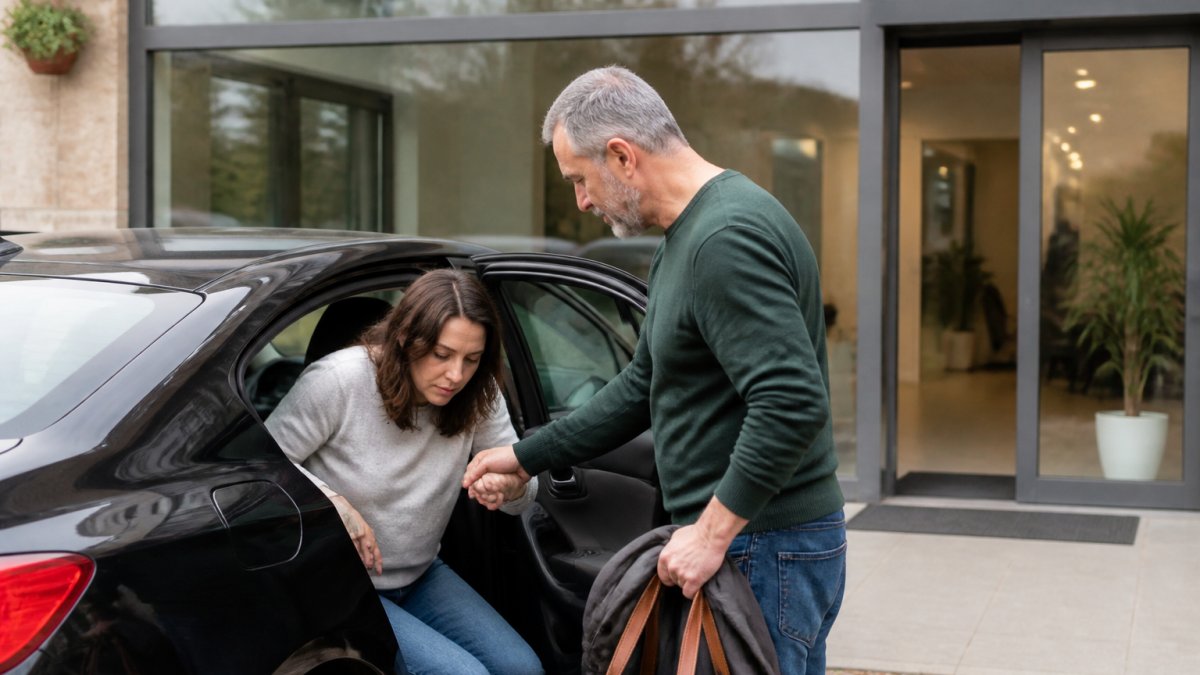
You cannot drive yourself home, and you should not travel alone on public transport. This is not a formality: the sedative impairs your judgment and reaction time for hours after you feel awake, and the law treats driving while unfit through drugs as an offence.
Before the Appointment: A Preparation Checklist
- Confirm your escort’s name and mobile number with the practice in advance
- Make sure your escort knows the practice address and the expected finish time
- Ask your escort to come inside to collect you, not wait in the car
- Arrange for someone to stay with you for at least the first four hours at home
- If you have children or dependants, arrange cover for the rest of the day
- Charge your phone and save the practice number in it
Your Escort’s Role
Your escort should:
- Arrive at the agreed time and come inside to collect you
- Drive you home or travel with you in a taxi
- Stay with you until the drowsiness passes
- Have your contact details and the practice number to hand
- Know what medication you have been given and when the next dose is due
- Be able to stay overnight if you live alone and the dentist advises it
If Your Plans Fall Through
It happens. If your escort cancels on the day, tell the practice before your appointment. Do not turn up and hope to sort it out afterwards, as the team cannot discharge you without a responsible adult. Options include rebooking to a day when your escort is available, or asking the practice whether they can recommend a local taxi firm that will carry a sedated passenger with an escort.
The Discharge Process
Before you leave, the team will check your blood pressure, breathing and balance, and confirm you are steady enough to walk with support. They will go through your aftercare instructions and give you written notes. Make sure your escort is present for this conversation, because you may not remember it later. Only then will you be discharged into your escort’s care.
Plan the journey home before the day of your appointment. It is one of the most common things patients forget, and it can delay your discharge.
Your Checklist for the First 24 Hours After IV Sedation
Use this checklist to keep the first day simple and safe. It covers the essentials we walk through with every patient.
- Have a responsible adult collect you from the practice
- Go straight home and rest
- Take medication only as directed
- Sip clear fluids, then try a light meal
- Avoid alcohol for 24 hours
- Do not drive, cycle or operate machinery
If you are nervous about sedation, tell us. At Orangefield Dental Care, we offer pain-free dentistry and flexible opening times, including evenings, so you can plan treatment around work and family. We also provide emergency dental services when something cannot wait.
Frequently Asked Questions
What should I expect after IV dental sedation?
After IV sedation you will feel drowsy, relaxed and possibly light-headed for several hours. You may have little memory of the procedure and your coordination and judgment will be reduced. A responsible adult must escort you home and stay with you. Rest for the remainder of the day, drink clear fluids and eat only light meals. Avoid driving, operating machinery, cooking, climbing ladders or making important decisions until the following day.
How long does dental sedation last?
The sedative effect usually wears off within a few hours, but a feeling of drowsiness can last for up to 24 hours. Most people feel back to normal by the next day. The exact duration depends on the sedative used, your dose, your weight, your metabolism and any medication you take. Your dental team will tell you when it is safe to return to normal activities.
Is it normal to throw up after IV sedation?
Nausea and vomiting can happen after IV sedation, though not everyone experiences them. If you feel sick, sip water slowly, avoid heavy or greasy food and rest. Contact your dentist if vomiting continues, you cannot keep fluids down or you feel very unwell. Persistent vomiting with dizziness or unsteadiness needs medical attention.
Do I need someone to take me home after IV dental sedation?
Yes. You must have a responsible adult escort you home and stay with you for the rest of the day. You should not drive, use public transport alone or take a taxi without a companion. The escort should be someone you trust who can help if you feel unsteady or unwell. Arrange this before your appointment so your discharge is not delayed.
Recovering well after IV dental sedation comes down to planning: a lift home, a quiet day and someone to keep an eye on you. If you are unsure how sedation will affect you, or you simply want to talk it through first, we are here to help. Orangefield Dental Care offers comfortable, pain-free treatment with evening appointments and emergency care for patients across Inverclyde. Book an appointment with us and we will talk you through every step before your visit.