
Table of Contents
- What Happens at a Dental Checkup: Your Step-by-Step Visit
- What Does a Dental Check-Up Include? A Full Breakdown
- How Long Does a Dental Check-Up Take?
- Do Dentists Clean Your Teeth During a Check-Up?
- How Often Should You Have a Dental Check-Up?
- X-Rays, Preparation and What Happens After Your Examination
- Frequently Asked Questions
Last Updated: October 13, 2026
What Happens at a Dental Checkup: Your Step-by-Step Visit
A dental checkup is a routine appointment where a dentist examines your teeth, gums and mouth to spot problems early and keep your oral health on track.
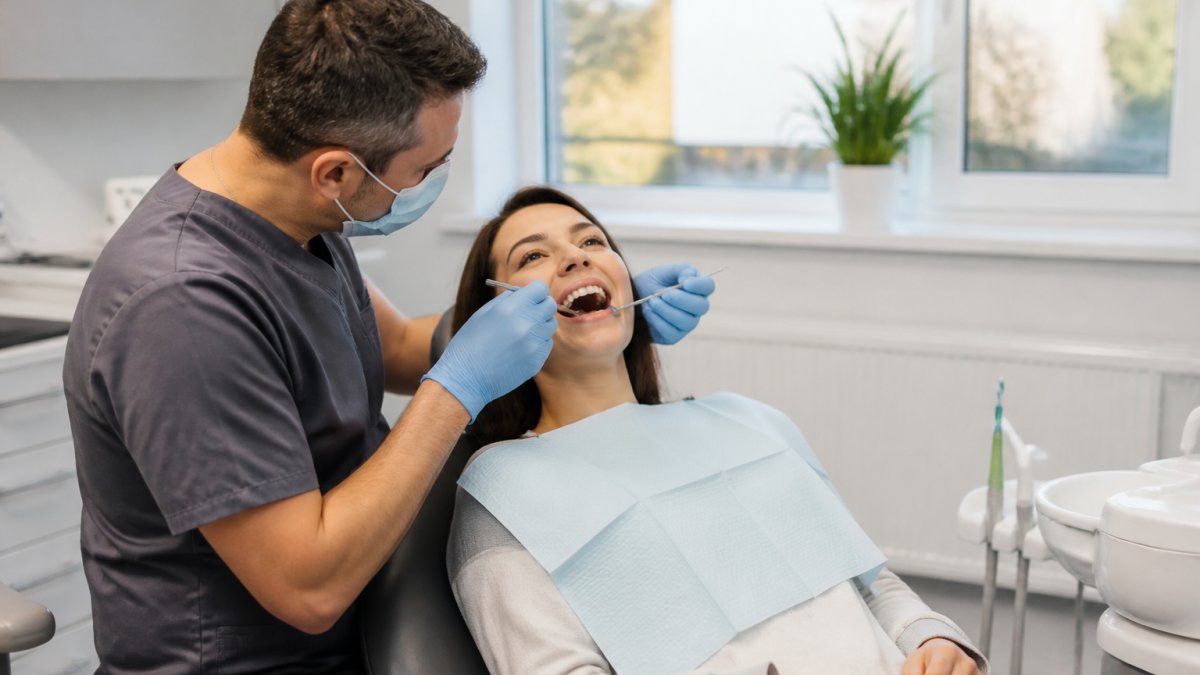
At Orangefield Dental Care, we see patients every week who are not sure what to expect from a check-up. That uncertainty is normal.
So here is exactly what happens, start to finish. Below, we walk through each stage, how long it takes, and what to bring with you.
Before the Examination Begins
Your visit starts with a short conversation, not a chair and a drill.
This matters more than most people realise. Conditions such as diabetes and heart problems can affect your teeth and gums. So can smoking, pregnancy and some prescription drugs.
Be honest here. If you have been putting off a visit because of pain or fear, say so. It changes how we approach the appointment.
The Main Examination
The main examination is a visual check of your whole mouth, using a small mirror and a dental probe. The dentist looks at each tooth in turn, then your gums, tongue, cheeks and lips.
You will hear the dentist call out numbers. Those are gum measurements, not a score you need to worry about on the spot.
If something needs a closer look, the dentist will tell you before doing anything. Nothing happens without your agreement.
What Does a Dental Check-Up Include? A Full Breakdown
A full dental check-up covers far more than your teeth. The dentist checks your gums, soft tissues, bite and jaw, and screens for early signs of disease.
Here is what that looks like in practice:
- Teeth: checking every surface for decay, cracks and worn fillings
- Gums: looking for redness, swelling, bleeding and gum disease
- Soft tissues: checking the tongue, cheeks, lips, palate and neck
- Bite and jaw: checking how your teeth meet and how your jaw moves
- Existing work: reviewing crowns, bridges, implants and fillings
The goal is early detection. Small problems are cheaper and simpler to fix than advanced ones.
Checking Your Teeth, Gums and Soft Tissues
Tooth decay often starts silently. A small cavity may cause no pain at all until it reaches the nerve, so a visual inspection catches it while it is still easy to treat.
Gum disease is similar. Early gum disease shows up as bleeding when you brush, which many people dismiss as normal. It is not.
The soft tissue check covers your tongue, cheeks, lips and the floor of your mouth. The dentist also feels your neck and jaw for anything unusual, such as swelling or lumps.
Screening for Oral Cancer and Other Conditions
Oral cancer screening is part of a routine dental examination. The dentist looks and feels for lumps, ulcers, red or white patches, and other changes that do not heal.
Most findings are harmless. But early detection makes a real difference to outcomes, which is why we check every visit.
The dentist also watches for signs of other conditions. These include acid erosion, grinding, dry mouth and infections.
How Long Does a Dental Check-Up Take?
A routine check-up usually runs 15 to 30 minutes from the moment you sit in the chair. That figure covers the examination itself, not the whole visit.
Here is how a typical 25-minute appointment breaks down:
- Medical history and chat: 3 to 5 minutes
- Visual examination of teeth, gums and soft tissues: 8 to 12 minutes
- Gum measurements (periodontal charting): 2 to 4 minutes, longer if you have a history of gum disease
- Discussion of findings and next steps: 3 to 5 minutes
- Professional clean, if booked in the same visit: 15 to 30 minutes on top
A few things push an appointment past the standard slot:
- First visit at a new practice. Allow 30 to 45 minutes. The dentist needs a full medical history, a baseline record of every tooth, and time to understand what you have had done before.
- X-rays. A single small film adds a couple of minutes. A full set of bitewings or a panoramic image can add 10 to 15 minutes once positioning and processing are counted.
- Gum disease. If the dentist finds pockets deeper than 4mm, charting every tooth takes longer and a separate hygiene appointment is usually booked.
- Treatment on the day. A small filling, a recement of a crown, or a scale and polish adds 20 to 40 minutes. Most practices will not start treatment without warning you first.
- Nervous patients. If you need breaks, a slower pace, or time to ask questions, tell the reception team when you book. A double slot is often available for a small additional charge or none at all.
For anyone fitting a visit around work, a standard check-up genuinely does fit inside a lunch break. If you book an evening or early-morning slot, ask how long to allow so you can plan your journey home.
Book your appointment for a time when you are not rushing. Patients who feel hurried are more likely to tense up, which makes the examination harder for both of you.
What Affects the Length of Your Appointment
The single biggest factor is your risk status. A patient with stable gums and no decay history may be in and out in 15 minutes.
Age and circumstances matter too. Children’s check-ups are often shorter, but a first visit for a young child includes acclimatisation time.
If you are unsure how long to allow, ask when you book. A good practice will tell you the slot length and whether a clean is included.
Do Dentists Clean Your Teeth During a Check-Up?
Not always.
A professional clean, often called scaling and polishing, removes plaque and tartar that brushing cannot shift. A dental hygienist usually carries this out.
Tartar is hardened plaque. Once it forms, no toothbrush will remove it. Leaving it in place irritates the gums and drives gum disease forward.
If your gums are healthy and your hygiene is good, you may only need a clean once a year.
Skipping the clean because your teeth “feel fine” is one of the most common mistakes we see. Gum disease causes no pain until it is advanced, and by then the damage to the bone around your teeth is permanent.
How Often Should You Have a Dental Check-Up?
There is no single answer that fits everyone. Your dentist will recommend a recall interval based on your risk of dental disease, not a fixed rule for all patients.
Most people are seen at intervals between three months and two years. Your risk assessment decides which.
Factors that shorten the interval include:
- A history of tooth decay or gum disease
- Smoking or vaping
- Diabetes or a weakened immune system
- Poor oral hygiene or a high-sugar diet
- Pregnancy
- Wearing braces, dentures or implants
If your mouth is stable and your hygiene is strong, you may be able to wait longer between visits. Ask your dentist what interval suits you and why.
X-Rays, Preparation and What Happens After Your Examination
The examination is not the end of the appointment. What happens next depends on what the dentist finds, and you should leave knowing the plan. This section covers imaging, how to prepare, and, the part most articles skip, what actually happens once the dentist has your results.
Dental X-Rays: When They Are Needed and What to Expect
X-rays are not taken at every visit. The dentist requests them when there is a specific question the visual examination cannot answer.
Common reasons include:
- Checking for decay between teeth or under fillings
- Looking at the roots and the bone around them
- Assessing wisdom teeth
- Planning a crown, implant or root canal
- Investigating unexplained pain, swelling or a loose tooth
The dose from a dental X-ray is very low.
Tell the dentist if you are pregnant or think you might be.
Alternatives exist but are limited. A visual examination cannot see between teeth or below the gum line.
How to Prepare and What to Bring
There is very little you need to do. A few small steps make the visit smoother:
- Bring a list of medicines you take, including doses
- Note any allergies, including to latex or antibiotics
- Write down any dental concerns or questions you have
- Bring your previous dentist’s details if you are new to the practice
- Brush your teeth beforehand, but do not worry if you have not
- Arrive a few minutes early to complete your medical history
If you feel anxious, tell the reception team when you book. Adjustments such as a longer appointment, a break signal, or a quieter room can be arranged in advance. Patients with sensory needs may prefer to visit at a quieter time of day, ask for the radio off, or request a written summary of what will happen.
After the Examination: How Findings Are Explained and Prioritised
You should leave the appointment knowing three things: what the dentist found, what it means, and what happens next. If that is not clear, ask before you leave the chair.
Findings usually fall into one of four buckets:
- No action needed. Your mouth is stable. You are booked for your next routine check-up.
- Monitor. Something small, a stained fissure, a slightly receded gum, a watch on a filling margin, is noted and rechecked at the next visit.
- Treatment recommended soon. Decay, a cracked tooth, or early gum disease that should be treated before it worsens.
- Treatment needed urgently. Pain, infection, a broken tooth or a suspicious soft-tissue lesion that needs prompt attention or referral.
If treatment is recommended, the dentist should explain the options, the likely costs and the risks, and give you time to decide.
A follow-up appointment may be needed to review a change, complete a clean, or start treatment.
The most useful question to ask at the end of any check-up is: “If I do nothing, what is likely to happen, and by when?” It turns a list of findings into a plan you can actually weigh up.
Frequently Asked Questions
Does a dental check-up hurt?
A routine dental checkup is not usually painful. The examination involves visual inspection and gentle probing of the gums, which most people find comfortable. If you need a scale and polish, you might feel some vibration or mild sensitivity, but the dental hygienist will adjust their approach to keep you comfortable. If you feel anxious about pain, tell your dentist beforehand. They can explain each step and agree on a signal for you to pause if needed. Practices that offer pain-free dentistry use techniques to minimise discomfort throughout.
What can I not do before a dentist check-up?
There are no strict rules about what you cannot do before a dental checkup. You can eat, drink and take your usual medications. It helps to brush your teeth as normal so your mouth is clean for the examination. Avoid heavy staining foods or drinks right before your appointment only if you want the most accurate view of your natural tooth colour. If you are nervous, consider writing down your concerns so you remember to mention them. Bring a list of any medications you take, as this forms part of your medical history.
Will the dentist take X-rays during a check-up?
X-rays are not taken at every checkup. Your dentist will recommend them if they need to see areas that are not visible to the naked eye, such as between teeth, under fillings or in the jawbone. The frequency depends on your individual risk of decay and gum disease. Dental X-rays use a very low dose of radiation, and the dentist will follow safety guidelines. If you are pregnant or think you might be, tell your dentist so they can decide whether X-rays are necessary. Alternatives like visual inspection or a transillumination device may be used first.
What happens if the dentist finds a problem during my check-up?
If your dentist finds tooth decay, gum disease or another issue, they will explain what they have seen and discuss the options with you. You might need a filling, a deeper clean, or a referral to a specialist. The dentist will outline a treatment plan, including what each step involves and how much it is likely to cost. You can ask questions and take time to decide. For urgent problems, they may offer treatment the same day or arrange a follow-up appointment. If nothing is wrong, they will simply advise you on preventive care and when to return.