
Last Updated: October 31, 2026
Quick Summary
Cosmetic dental work can protect teeth, as straightening and crowns do, but veneers and crowns require permanent enamel removal that never grows back. Each replacement cycle removes a little more tooth structure, so the cumulative burden over a lifetime matters more than any single repair.
- Traditional veneers remove under a millimetre of enamel, and that layer never returns.
- Whitening opens tiny enamel pores that usually close within days, so space out courses.
- Veneers last around a decade and may need enamel re-preparation at replacement.
- Bruxism shortens restoration life, and a night guard protects veneers and natural teeth.
- Skipping regular checkups after cosmetic work is the most common mistake, hiding decay.
Table of Contents
- What Cosmetic Dental Work Does to Teeth Over Time
- Cosmetic Dentistry Risks and Benefits: The Honest Balance
- Long-Term Effects of Veneers on Enamel and Gum Health
- Teeth Whitening and Enamel Health: What Repeated Treatment Does
- Sensitivity, Gum Irritation and Decay After Cosmetic Procedures
- How Long Cosmetic Dental Work Lasts and What Replacement Involves
- Keeping Your Oral Health on Track After Treatment
- Book a Cosmetic Consultation at Orangefield Dental Care
- Frequently Asked Questions
What Cosmetic Dental Work Does to Teeth Over Time
Cosmetic dental work changes more than the surface of your smile. Every treatment, from whitening gel to a full crown, interacts with enamel, dentine and the living pulp beneath. That interaction decides how your teeth age.
Some treatments protect teeth. Others trade healthy structure for appearance. Knowing which is which helps you choose wisely.
Here is the core point most guides skip: the material rarely fails first. The tooth underneath it does. A veneer can last years while the enamel holding it slowly thins.
Cosmetic dentistry is elective treatment that improves how teeth look. It includes whitening, bonding, veneers, crowns and straightening. Each one affects tooth structure in a different way.
Cosmetic Dentistry Risks and Benefits: The Honest Balance
Cosmetic dentistry risks and benefits rarely split evenly. For a broader look at how these treatments fit into general dentistry, see cosmetic treatments in general dentistry. Most procedures carry both, and the balance shifts with your starting oral health.
Where Cosmetic Treatment Helps Oral Health
Some cosmetic work can support the teeth:
- Straightening closes gaps that trap food and plaque
- Crowns seal cracked or heavily worn teeth from decay
- Bonding can cover exposed dentine and reduce sensitivity
- Replacement fillings restore chewing function
Straightening deserves special mention. Crowded teeth are harder to brush well. Moving them into line makes cleaning easier, which lowers decay risk over time.
Where It Can Cause Harm
The harm usually comes from removing tooth structure. Enamel does not grow back.
- Whitening can trigger temporary sensitivity
- Veneers need enamel removal, which is permanent
- Poorly fitted crowns can irritate gums
- Any restoration can hide decay underneath if not monitored
Watch out: skipping regular checkups after cosmetic work is the most common mistake we see. Before deciding, read about the side effects of cosmetic dentistry. Problems under a veneer or crown cause no pain until they are advanced.
Long-Term Effects of Veneers on Enamel and Gum Health
Veneers carry the biggest long-term question of any cosmetic treatment. The answer depends on how much enamel your dentist removes and how many times the tooth is prepared over your lifetime.
Traditional veneers need a thin layer of enamel taken off, usually under a millimetre. That layer never returns. Your teeth stay slightly smaller underneath the veneer for life. Minimally invasive or no-prep veneers remove less or none, but they are not suitable for every bite or tooth position, and they can look bulkier.
The long-term effects of veneers on enamel and gum health fall into clear patterns:
- Enamel loss is permanent and can raise sensitivity, especially at the margin where the veneer meets the tooth
- Gum margins need careful cleaning to avoid irritation; a margin placed slightly below the gumline traps plaque if brushing slips
- Replacement cycles mean the tooth is prepared again each time, and each preparation removes a little more structure
- Decay underneath is possible if edges lift, and it can progress silently because the veneer masks the early signs
Gum health matters most here. Over years, plaque trapped at a veneer edge can lead to gum irritation and, in some cases, periodontal disease. Patients with a history of gum disease, dry mouth, or high sugar intake face a higher risk and should be monitored more closely.
Bruxism is the other major risk factor. Grinding and clenching load the veneer and the bond line. A night guard protects both the veneer and the natural tooth, and it is often the difference between a veneer lasting a decade and one that chips within a few years.
The cumulative burden is what most guides skip. If you are weighing whether the trade-off is worthwhile, read are porcelain veneers worth the investment. One replacement is usually straightforward. Three or four over a lifetime slowly reduces the tooth you started with, and each round of preparation can bring the nerve closer to the surface. That is why the first decision, how much enamel to remove, matters more than any later repair.
Teeth Whitening and Enamel Health: What Repeated Treatment Does
Teeth whitening and enamel health are linked more closely than most people realise. Whitening does not strip enamel, but repeated rounds can leave teeth more sensitive.
Peroxide gels open tiny pores in the enamel surface to reach stains. The pores close again, usually within days. Do it too often, though, and the tooth has less recovery time. (Source: NHS guidance on dental treatments)
A common pattern we see:
- First round: good result, mild sensitivity
- Repeat rounds within weeks: more sensitivity, less lasting brightness
- Overuse: enamel looks chalky and stains return faster
The fix is spacing. To understand how long whitening takes and what each course involves, see how long does teeth whitening take. Most dentists advise leaving a gap between whitening courses and topping up with fluoride toothpaste in between.
Sensitivity, Gum Irritation and Decay After Cosmetic Procedures
Sensitivity is the most common short-term complaint after cosmetic procedures. It usually settles within days to weeks. If it lingers, that is a signal worth checking. For practical ways to care for sensitive teeth, read oral hygiene with sensitive teeth.
Gum irritation follows a similar pattern. Rough edges, cement residue or a margin sitting too close to the gum can all cause it. So can brushing too hard around a new restoration.
Decay is the quieter risk. Cavities can form at the seam where a veneer, crown or bonding meets the tooth. That seam is the weakest point, and food debris collects there.
- Use a soft brush and clean along the gumline
- Floss daily, especially around veneer and crown edges
- Book a checkup if sensitivity lasts beyond a few weeks
- Report any rough edge to your dentist early
How Long Cosmetic Dental Work Lasts and What Replacement Involves
How long cosmetic dental work lasts varies by treatment. No material is permanent, and each replacement means more work on the tooth. The table below gives typical ranges, but your own lifespan depends on your bite, hygiene, diet and whether you grind your teeth.
| Treatment | Typical lifespan | Replacement involves |
|---|---|---|
| Whitening | Months to a few years | Top-up course, no drilling |
| Bonding | A few years | Adding or replacing resin, minimal drilling |
| Veneers | Around a decade | Possible re-preparation of enamel |
| Crowns | A decade or more | Removing and refitting, some tooth reduction |
The pattern matters. Whitening and bonding are generally less invasive. Veneers and crowns involve permanent changes to tooth structure. Each replacement cycle adds a small amount of wear to the tooth, and that wear is cumulative.
This is the cumulative burden most people miss. One replacement is fine. Three or four over a lifetime slowly reduces the tooth you started with, and it can narrow your future options. A tooth that has been prepared several times may eventually need a crown rather than a veneer, or a root canal if the nerve is irritated.
Patient-specific factors change the picture. Bruxism shortens the life of any restoration and raises the risk of chipping. A dry mouth from medication or a medical condition increases decay risk at restoration margins. Existing gum disease makes margin hygiene harder. High sugar intake or poor brushing accelerates failure. If any of these apply, your dentist should factor them into the treatment plan and the review schedule.
A practical monitoring plan helps. Ask your dentist what review schedule suits your restorations, gum health and any sensitivity you notice. Report a rough edge, a loose feeling or a change in bite early, those are the warning signs that a repair is cheaper than a replacement.
Keeping Your Oral Health on Track After Treatment
Maintenance decides how well cosmetic work ages. The habits below protect both the restoration and the tooth beneath it.
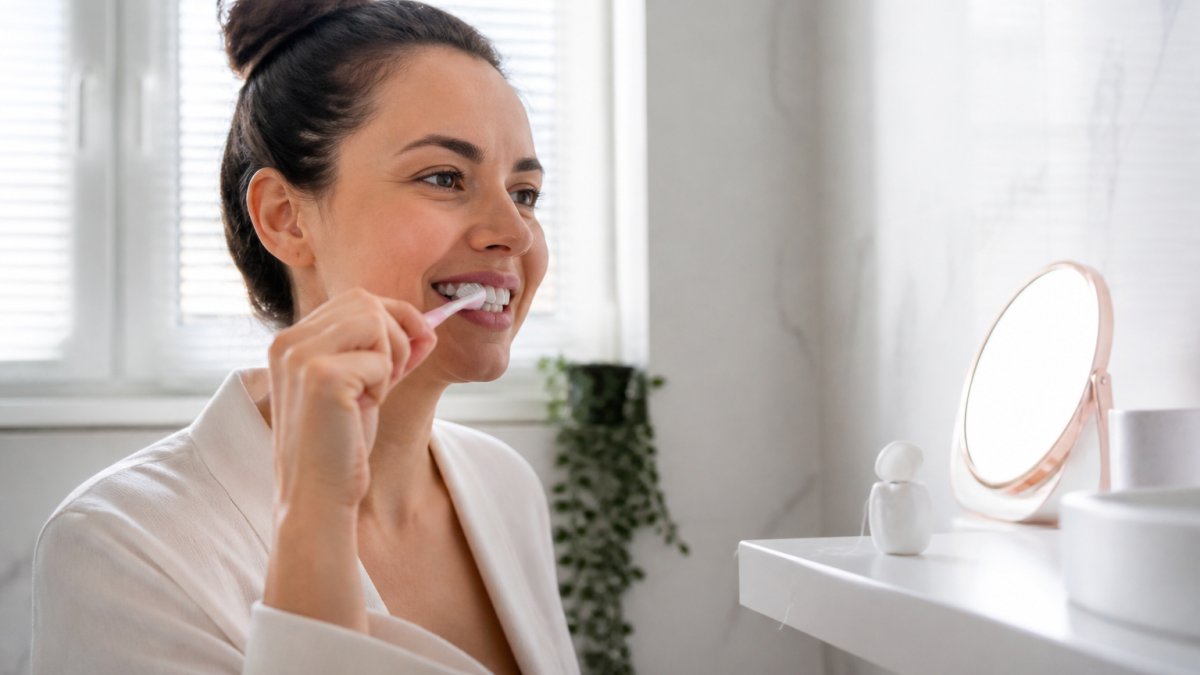
- Brush twice daily with a fluoride toothpaste
- Floss once a day, paying attention to restoration edges
- Attend regular dental checkups
- Report sensitivity or rough edges early
- Space out whitening top-ups
- Avoid chewing ice, pens or hard sweets
Book a Cosmetic Consultation at Orangefield Dental Care
Choosing cosmetic treatment is a health decision, not just a look. The right option depends on your enamel, gum health and how much structure you are willing to trade.
Orangefield Dental Care offers general, family and cosmetic dentistry, flexible opening times including evenings, and emergency care.
Get started with Orangefield Dental Care and make an informed choice about your smile.
Frequently Asked Questions
Can cosmetic dental work damage your teeth in the long term?
It can, depending on the procedure. Treatments that remove enamel, such as veneers and crowns, leave the tooth permanently altered and can raise the risk of sensitivity and nerve problems if the remaining tooth structure is thin. Whitening and bonding are less invasive but still need care. The deciding factors are how much healthy tooth is removed, how well the work is done and how consistently you keep up brushing, flossing and checkups afterwards.
What are the long-term effects of veneers on oral health?
Veneers have a finite lifespan that depends on the individual case. Because a thin layer of enamel is usually removed, the teeth stay sensitive to hot and cold and cannot simply return to their natural state. Well-fitted veneers with clean margins protect the tooth surface, but poorly sealed edges can trap plaque and food debris, which raises the risk of decay and gum irritation around the margins. Regular checkups catch these problems early.
How can I maintain my oral health after cosmetic dental work?
Brush twice daily with a fluoride toothpaste, clean between your teeth daily with floss or interdental brushes, and keep to your dental checkup schedule so any chipped margins or early decay are spotted quickly. Avoid biting nails, ice or hard sweets that can crack veneers or crowns, and wear a mouthguard if you grind at night. If you notice new sensitivity, bleeding gums or a rough edge on a restoration, book an appointment rather than waiting.
How often does cosmetic dental work need replacing?
It varies by procedure and by the individual case. Ask your dentist about the expected lifespan of each option. Whitening results fade gradually and may need topping up. Replacement means more treatment, and each round can remove a little more tooth structure, so ask your dentist about the expected lifespan and retreatment burden before you commit.
