
Table of Contents
- Why Fixing Missing Teeth Quickly Matters
- Step 1: Assess the Situation and Seek Emergency Dental Care for Missing Teeth
- Step 2: Explore Temporary Tooth Replacement Options for Immediate Gaps
- Step 3: Understand Fast Permanent Solutions: Bridges and Implants
- Step 4: Weigh NHS Dental Treatment Bands vs Private Care
- Common Mistakes to Avoid When Replacing Teeth Fast
- Your Next Step: Book a Consultation
- Frequently Asked Questions
Last Updated: September 7, 2026
Why Fixing Missing Teeth Quickly Matters
Losing a tooth triggers a hidden chain reaction: adjacent teeth drift into the gap, bite alignment shifts, and the jawbone loses density (PubMed). Addressing a missing tooth quickly protects long-term oral health, not just appearance.
The psychological impact of a visible gap is also underestimated, often leading to social anxiety. Modern restorative dentistry offers pathways from immediate temporary solutions to permanent prosthetics.
This guide covers temporary tooth replacement options, fast permanent solutions, and NHS versus private care decisions. Acting promptly gives you the widest range of choices.
Step 1: Assess the Situation and Seek Emergency Dental Care for Missing Teeth
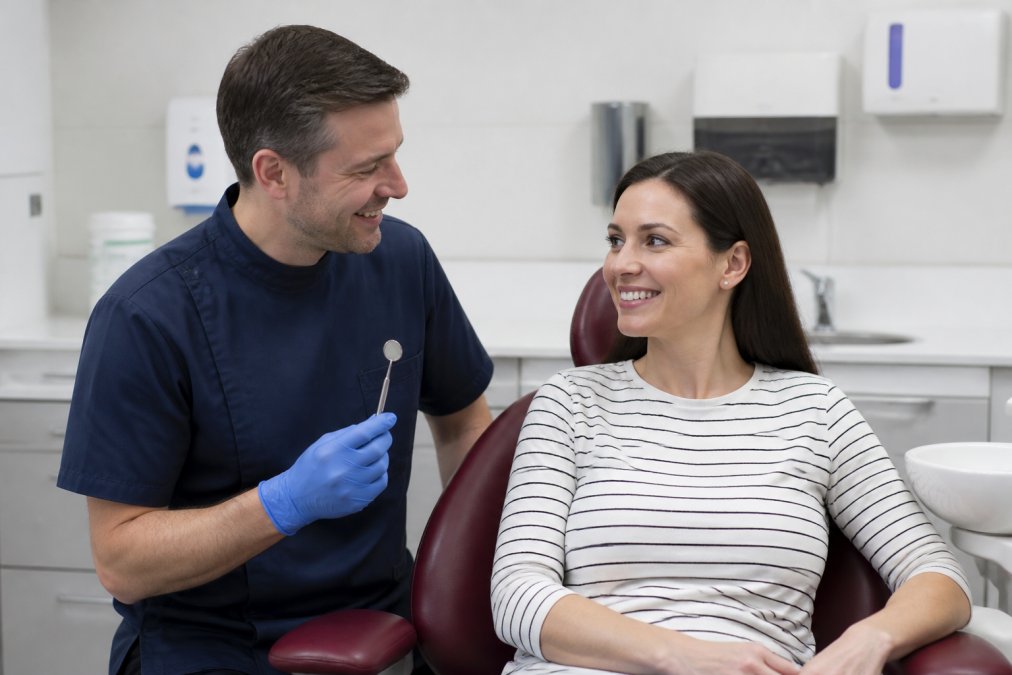
Sudden tooth loss from trauma warrants immediate emergency dental care for missing teeth, particularly with bleeding, swelling, or severe pain. Even painless loss requires professional assessment within the first few days.
The dentist checks for damage to surrounding teeth, gum health, fragments, and bone density, which influences available replacement options. Surrounding teeth shift quickly, so delaying treatment complicates later restoration.
Do not attempt to reinsert a knocked-out tooth yourself or use over-the-counter adhesives to hold loose teeth in place. This can damage the root surface and reduce the chance of successful reattachment by a professional.
Step 2: Explore Temporary Tooth Replacement Options for Immediate Gaps
Temporary tooth replacement options restore smile and chewing function while planning a permanent solution. They protect adjacent teeth from drifting and give you time to decide without social pressure.
The most common temporary solutions include:
- Dental flipper: A lightweight acrylic appliance holding one or two artificial teeth, typically fitted within days
- Resin-bonded bridge (Maryland bridge): A conservative option where a false tooth is bonded to the back of adjacent abutment teeth
- Partial denture: A removable appliance with one or more false teeth, often used when multiple gaps exist
- Composite bonding: A fast, minimally invasive option where tooth-coloured resin is shaped to fill a small gap
A flipper can often be fitted within a week, making it the fastest route to closing an anterior gap (the American Dental Association). These appliances require diligent hygiene, as trapped food increases gum irritation risk.
Step 3: Understand Fast Permanent Solutions: Bridges and Implants
The two main permanent solutions are fixed dental bridges and dental implants, which involve different procedures, timelines, and biological trade-offs.
Fixed Dental Bridges: The Faster Permanent Route
A fixed dental bridge places crowns on the healthy teeth either side of the missing tooth, with a false tooth (pontic) suspended between them. It is typically completed over two to four weeks and does not require surgery.
At the first appointment, the dentist prepares the abutment teeth, takes impressions, and fits a temporary acrylic bridge. At the second appointment, the permanent bridge is cemented into place.
There are several bridge designs worth knowing about:
- Traditional bridge: Crowns on both adjacent teeth with a pontic in between. This is the most common design and is suitable when both neighbouring teeth are healthy enough to support crowns.
- Cantilever bridge: Used when there is only one adjacent tooth available to support the bridge. This design is less common because it places greater stress on the single abutment tooth, increasing the risk of failure over time.
- Resin-bonded bridge (Maryland bridge): A conservative option where the false tooth has small wings that are bonded to the back of the adjacent teeth. This requires minimal or no enamel removal and is often used for front teeth where the bite forces are lower.
A traditional bridge requires filing down abutment teeth, permanently altering healthy enamel, and does not stimulate the jawbone, so bone density diminishes over time (the NIH). A well-maintained bridge can last for many years.
Dental Implants: The Gold Standard with a Longer Timeline
A dental implant involves surgically placing a titanium post into the jawbone as an artificial root, topped with a custom crown. Implants stimulate bone and prevent the density loss associated with tooth loss.
The implant process is staged:
- Initial consultation and 3D imaging: Your dentist assesses bone volume and density using cone-beam CT scanning. This determines whether you have enough bone to support an implant or whether bone grafting is required first.
- Tooth extraction (if needed): If the damaged tooth is still present, it is removed, and the socket is allowed to heal for several weeks.
- Implant placement surgery: The titanium post is surgically inserted into the jawbone under local anaesthesia. The procedure itself typically takes some time.
- Osseointegration period: Over the next few months, the bone grows around the implant surface, fusing with it. This is a biological process that cannot be rushed.
- Abutment placement: Once osseointegration is confirmed, a small connector piece (abutment) is attached to the implant.
- Crown fitting: Finally, a custom crown is fabricated and screwed or cemented onto the abutment.
If the jaw has lost significant volume, bone grafting may be required. Immediate implant placement is possible in some cases, depending on socket condition and absence of active infection.
Which Option Is Right for You?
| Option | Treatment Time | Procedure | Best For | Longevity |
|---|---|---|---|---|
| Dental Bridge | 2-4 weeks | Non-surgical, crowns on adjacent teeth | Patients wanting a fast permanent fix | 10-15 years with good maintenance |
| Dental Implant | 3-6 months (plus grafting if needed) | Surgical placement of titanium post | Long-term durability and bone preservation | Many years with good oral hygiene |
If you need a permanent solution quickly and have healthy adjacent teeth, a bridge is often the pragmatic choice. If preserving jawbone density and long-term durability are your priorities, an implant is usually the better investment despite the longer timeline.
Patients who choose a bridge for speed often consider an implant when the bridge fails.
Step 4: Weigh NHS Dental Treatment Bands vs Private Care
In the UK, NHS dental treatment bands structure fees, with band 3 covering complex procedures like bridges and dentures. Implants are generally not available on the NHS except in specific circumstances, so most patients seek private care.
NHS Dental Charges in England (Current Rates)
NHS dental charges are set nationally and are reviewed periodically. The current structure includes different bands covering various treatments, with Band 3 covering complex procedures like crowns, bridges, and dentures. These charges apply per course of treatment, not per tooth.
Implants are only provided on the NHS in exceptional circumstances, such as after trauma or cancer treatment. For most patients, implants are a private-only option.
NHS waiting times for Band 3 treatment can vary; laboratory work for bridges and dentures can take some time, and some practices may have waiting lists for non-urgent treatment.
Private Care: Speed, Choice, and Flexibility
Private treatment offers faster scheduling, a wider range of materials, and flexible appointment times. Private treatment costs vary depending on the procedure, materials used, and individual needs. For specific pricing, it is best to consult directly with a private practice.
Some private practices offer financing options, with interest-free or low-interest plans. Some also offer membership plans with discounted treatment rates.
Navigating the Decision: A Practical Approach
When comparing NHS versus private treatment, consider more than the headline cost:
- Ask for a written treatment plan from both an NHS practice and a private practice. This should itemise every procedure, material, and associated cost.
- Check whether the NHS practice offers Band 3 treatment promptly. Some practices have long waiting lists for laboratory work; others can complete a bridge within three weeks.
- Enquire about private payment plans. If there is a significant difference in cost between private and NHS options, exploring available payment plans can make private treatment more manageable.
- Ask about material options. NHS care typically uses standard metal-based bridges. Private care offers all-ceramic or zirconia options that more closely match your natural teeth, which matters for visible front teeth.
- Consider the lifetime cost. A private implant at £2,500 that lasts 20+ years may be more cost-effective over time than an NHS bridge at £319.10 that needs replacement every 10-15 years.
Before committing to private treatment, ask your dentist whether they offer a ‘smile makeover’ consultation that includes a written quote with a validity period. This protects you from price increases while you decide. Also ask whether the practice offers a warranty on implants or bridges.
The NHS route may cover a standard metal-based bridge, while private treatment offers all-ceramic or zirconia options for aesthetic restoration. Always ask for a detailed treatment plan with itemised costs.
Common Mistakes to Avoid When Replacing Teeth Fast
The most significant mistake is purchasing DIY molding kits online. These are not professionally fitted, rarely align with your bite, and can cause gum damage or worsen malocclusion.
Choosing the cheapest option without considering longevity is another error; a flipper worn for years can accelerate bone loss. Skipping the clinical consultation also backfires, as a dentist must assess bone density and gum health.
DIY repair kits and mail-order temporary teeth are not regulated as dental appliances. Using them can cause irreversible damage to your gum health and surrounding teeth, turning a fixable gap into a complex restorative problem.
Your Next Step: Book a Consultation
The fastest route to fixing missing teeth is a clinical consultation, where your dentist assesses bone density, gum health, and adjacent teeth before presenting a tailored treatment plan.
At Orangefield Dental Care, we understand that losing a tooth is stressful, and we are committed to providing a comfortable and pain-free experience for every patient. We offer a comprehensive range of services, including general and family dentistry, cosmetic treatments, dental implants, and teeth straightening. Our practice prioritises your comfort and convenience with flexible opening times, including evenings, and emergency care to ensure you receive expert dental support whenever you need it most. For nervous patients, our team prioritises a reassuring experience from the first appointment.
Frequently Asked Questions
What is the fastest way to replace a missing tooth?
For an immediate gap, a temporary tooth replacement option like a dental flipper or a bridge fitted by your dentist offers the fastest cosmetic fix. For a permanent solution, a dental implant is the most durable, but it requires several months for healing and integration. Your dentist can advise on the quickest route based on your specific situation, including whether you need emergency dental care for missing teeth.
Can I live with one missing tooth?
Leaving a gap can cause your remaining teeth to shift, leading to bite alignment issues, gum disease, and bone loss in the jaw. It can also affect your ability to chew properly and impact your confidence. Even if the gap isn’t visible, addressing it quickly is important for your long-term oral health and to avoid more complex treatments later.
How does the NHS handle missing tooth replacement?
The NHS provides dental treatment in bands, and replacement options like bridges and dentures are available under the relevant band for complex procedures. You will need to see an NHS dentist for a clinical consultation to determine the best treatment plan. Your dentist can confirm which NHS dental treatment band applies to your specific needs.
Are there temporary solutions for a missing front tooth?
Yes, there are temporary tooth replacement options specifically for front teeth. A dental flipper, which is a removable partial denture with a single tooth, can be made quickly to fill a gap. Your dentist can also fit a temporary bridge or composite bonding to protect the area and restore your smile while a permanent solution, like an implant, is being prepared.
The challenge of a missing tooth is best met with prompt action and professional guidance. Acting quickly preserves your options, protects your oral health, and restores your confidence sooner. Orangefield Dental Care provides emergency dental services and comprehensive treatment planning to help you smile again with ease. Book your appointment today and take the first step toward a complete, healthy smile.