
Table of Contents
- What is conscious sedation for dental work?
- How conscious sedation works
- Types of dental sedation
- What to expect after dental sedation
- How long does dental sedation last?
- Dental sedation vs general anaesthetic
- Is conscious sedation right for you?
- Frequently Asked Questions
Last Updated: October 10, 2026
What is conscious sedation for dental work?
Conscious sedation dental is a medical technique that helps you relax during treatment while remaining awake and able to respond to your dentist.
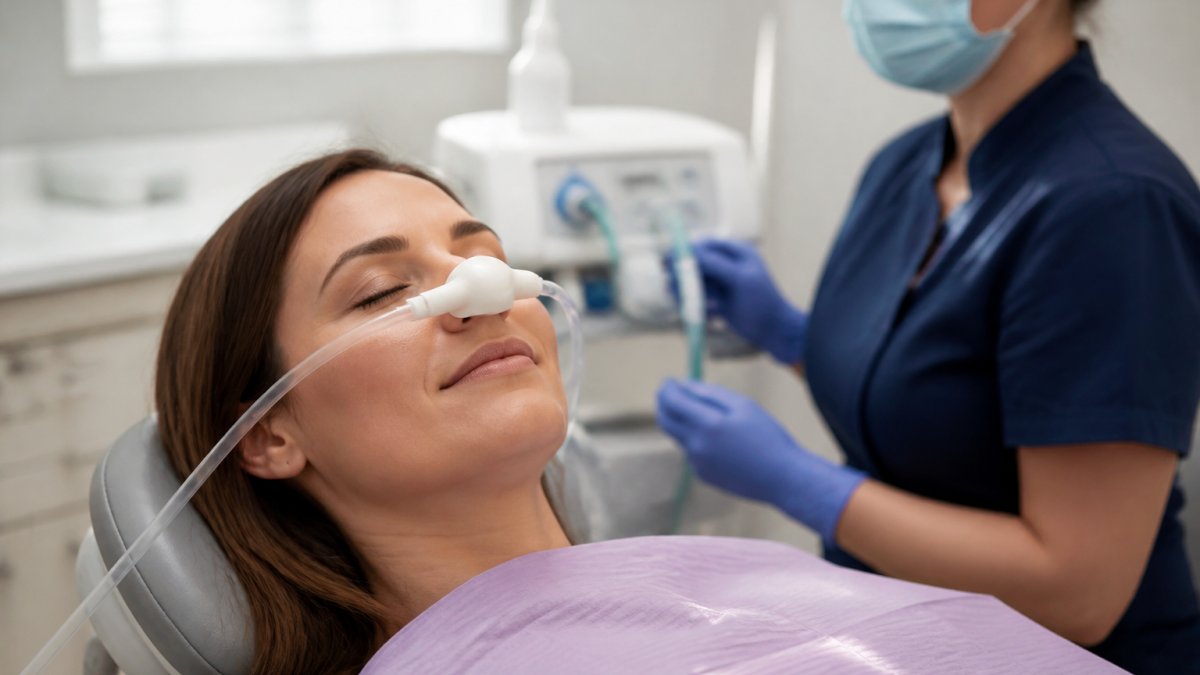
At Orangefield Dental Care, we use conscious sedation to help nervous patients feel more comfortable during procedures. The sedative medication is carefully controlled so you stay responsive throughout your treatment.
The key difference between conscious sedation and general anaesthetic is that you remain conscious. You keep your natural reflexes and can communicate if needed.
How conscious sedation works
Conscious sedation works by using medication to calm your nervous system and reduce anxiety. The sedative is usually delivered through an IV line in your arm or through inhalation.
The medication doesn’t put you to sleep. Instead, it creates a state of deep relaxation where time seems to pass quickly. Many patients say they lose track of time during treatment.
Your body’s natural protective reflexes stay active. You’ll still cough or gag if needed. You can respond to your dentist’s voice and follow simple instructions. This combination of relaxation and awareness makes the procedure both safe and effective for treating dental anxiety.
Types of dental sedation
Different sedation methods work in different ways. Your dentist will recommend the best option based on your anxiety level, medical history, and the type of treatment you need.
Intravenous (IV) sedation
IV sedation delivers medication directly into your bloodstream through a small needle in your arm. This method works quickly and allows your dentist to adjust the level of sedation during your treatment. You’ll feel relaxed almost immediately after the medication starts flowing.
With IV sedation, you remain conscious but deeply relaxed. You won’t remember much about the procedure afterward, which many anxious patients find reassuring. The dentist can control exactly how sedated you are, making it ideal for longer or more complex treatments. Recovery is usually faster than with other sedation methods.
Nitrous oxide and local anaesthetic
Nitrous oxide, commonly called “laughing gas,” is mixed with oxygen and delivered through a mask over your nose. This combination helps you relax while keeping you fully conscious and aware. Local anaesthetic is still used to numb the specific area being treated.
Nitrous oxide works quickly and wears off rapidly once the mask is removed. It’s a lighter form of sedation compared to IV medication. Many patients find it helpful for managing mild to moderate anxiety. You’ll feel relaxed and may find the experience mildly amusing, which is where the “laughing gas” name comes from.
What to expect after dental sedation
After your procedure, you’ll move to a recovery area where staff monitor you as the medication wears off. You may feel drowsy or slightly confused at first. This is completely normal and passes within 30 minutes to an hour.
Immediate recovery (first 30-60 minutes)
Your dentist will keep you in the recovery area until your vital signs stabilise and you’re alert enough to leave safely. A member of staff will check your blood pressure, heart rate, and oxygen levels regularly. You may feel groggy, have blurred vision, or experience mild dizziness, all expected effects that resolve as the sedative clears your system.
During this time, you must not attempt to drive, operate machinery, or make important decisions. Your reflexes and coordination are still impaired, even if you feel reasonably alert. This is why arranging a responsible adult to collect you is essential. Public transport alone is not safe immediately after sedation.
Eating and drinking after sedation
Once you’re fully alert in the recovery area, you can have a light snack and drink water or other non-alcoholic beverages. Start with small sips and bland foods, a biscuit, toast, or light soup work well. Avoid hot drinks for the first hour, as your mouth may still be numb from local anaesthetic and you could accidentally burn yourself.
If you feel nauseous (uncommon but possible), wait before eating. Ginger tea or plain crackers can help settle your stomach. Most patients feel hungry within a few hours and can return to their normal diet the following day.
Medication and alcohol restrictions
Avoid alcohol for at least 24 hours after sedation. Alcohol combined with sedative residue in your system can cause drowsiness, dizziness, and impaired judgment. If you take regular medications, ask your dentist before your appointment whether you should take them on the day of treatment. Some medications may interact with sedatives, so timing matters.
If you’ve been prescribed painkillers for post-operative discomfort, take them as directed. Over-the-counter paracetamol or ibuprofen are usually safe, but check with your dentist if you’re unsure.
Rest and returning to normal activities
Most patients feel tired and want to rest at home after sedation. Plan to spend the afternoon relaxing, reading, watching television, or napping are all fine. Avoid strenuous exercise, heavy lifting, or demanding mental work for the rest of the day.
You should be able to return to light activities the next day. If your procedure was extensive or you had complications, your dentist may recommend taking a full day off work. Listen to your body; if you still feel drowsy or unwell the following morning, rest a bit longer.
Driving restrictions
Do not drive for at least 24 hours after sedation. Even if you feel alert by evening, the sedative can impair your reaction time and judgment in ways you may not notice. Your insurance may not cover an accident if you drive within 24 hours of sedation, and you could face legal liability.
Arrange your transport in advance. Ask a friend or family member to pick you up, or book a taxi or ride-sharing service. Plan your appointment for a time when this is practical, many patients choose late morning or early afternoon slots so they can rest at home by evening.
When to contact your dentist
Most recovery is straightforward, but contact your dental practice if you experience severe headache, chest pain, difficulty breathing, persistent nausea or vomiting, or unusual swelling or bruising at the injection site. These are rare, but your care team needs to know immediately if they occur.
How long does dental sedation last?
The duration depends on which type of sedation you receive. Nitrous oxide wears off quickly, usually within minutes of removing the mask. You’ll feel alert again relatively fast, though you should still have someone drive you home.
IV sedation lasts longer. The effects typically wear off within 30 minutes to an hour after the dentist stops administering the medication. However, you may feel drowsy or slightly foggy for several hours afterward.
The actual sedation time during your procedure varies based on how long your treatment takes. Your dentist controls the medication flow to match your procedure length.
Dental sedation vs general anaesthetic
The main difference is consciousness. With conscious sedation, you stay awake and aware. With general anaesthesia, you’re completely unconscious and won’t remember anything about the procedure.
General anaesthesia requires a trained anaesthetist to monitor you throughout. It’s typically reserved for complex surgical procedures or patients with severe anxiety who cannot tolerate conscious sedation. Recovery from general anaesthesia takes longer, and you’ll need more time before resuming normal activities.
Conscious sedation is less invasive and carries fewer risks. You recover faster and can often return to light activities the same day. For most dental procedures, conscious sedation dental provides adequate comfort without the deeper risks associated with full anaesthesia.
| Sedation Type | Consciousness Level | Recovery Time | Best For |
|---|---|---|---|
| Conscious sedation | Awake and responsive | 30 mins to 1 hour | Moderate anxiety, routine procedures |
| General anaesthesia | Fully unconscious | Several hours | Severe anxiety, complex surgery |
| Nitrous oxide | Awake and aware | 5-15 minutes | Mild anxiety, short procedures |
Is conscious sedation right for you?
Conscious sedation works well for many patients, but suitability depends on your overall health, medical history, and the specific procedure you need. Your dentist will conduct a thorough assessment before recommending sedation. This is not a decision made lightly, it’s a clinical judgment based on your individual circumstances.
Medical conditions that may affect suitability
Breathing and sleep: Conditions like asthma, chronic obstructive pulmonary disease (COPD), or obstructive sleep apnoea increase the risk of breathing problems during sedation.
Liver and kidney function: Your liver and kidneys process and eliminate sedative medications.
Neurological conditions: Epilepsy, Parkinson’s disease, or other neurological conditions may interact with sedatives. Your dentist will discuss whether sedation is safe and what monitoring is needed.
Obesity: Patients with a high body mass index (BMI) may have increased sedation risks, particularly related to airway management. Your dentist will assess this individually.
Medications that interact with sedation
Certain medications can interact with sedatives, changing how they work or increasing side effects. Tell your dentist about:
- Blood pressure medications
- Anticoagulants (blood thinners) such as warfarin or direct oral anticoagulants
- Antidepressants or anti-anxiety medications
- Opioid painkillers
- Sleeping tablets
- Herbal supplements, particularly St John’s Wort
Your dentist may ask you to continue some medications on the day of treatment and stop others temporarily. Never stop prescribed medications without medical advice.
Pregnancy and breastfeeding
Conscious sedation is generally avoided during pregnancy, particularly in the first trimester when organ development is occurring. If you have a dental emergency during pregnancy, your dentist and GP will discuss the safest approach, usually local anaesthetic alone without sedation.
If you’re breastfeeding, most sedatives used in dentistry are safe, but your dentist will discuss timing. Some practitioners recommend waiting a few hours after sedation before breastfeeding, though this varies by medication used.
Age considerations
Conscious sedation can be used in children and older adults, but dosing and monitoring differ. Older patients may be more sensitive to sedatives and have more medical conditions to consider. Very young children may require different sedation protocols or general anaesthesia instead.
Allergies and prior sedation experiences
If you’ve had an allergic reaction to any sedative medication, you must inform your dentist immediately. Alternative sedatives or non-sedation approaches may be necessary.
If you’ve had sedation before and experienced problems, severe nausea, prolonged drowsiness, or anxiety during the procedure, tell your dentist. They can adjust the medication, dose, or technique to improve your experience.
Anxiety and dental phobia
Most nervous patients are excellent candidates for conscious sedation. If you have significant dental anxiety, dental phobia, or have avoided the dentist for years because of fear, sedation can be transformative. Many patients say it allowed them to finally address dental problems they’d been putting off. Your dentist will take time to understand your specific fears and explain how sedation will help.
The pre-sedation consultation
Before your appointment, your dentist will ask detailed questions about your health, medications, allergies, and prior experiences. Be honest and thorough, this information directly affects your safety. If you’re unsure whether a medication or condition is relevant, mention it anyway. Your dentist can then decide.
For complex medical histories, your dentist may request a letter from your GP confirming that sedation is safe, or may recommend a pre-treatment blood test. This takes time but ensures you receive appropriate care.
Frequently Asked Questions
Will I be awake during conscious sedation for dental work?
Yes, you remain conscious and aware during conscious sedation. You can respond to questions and follow instructions from your dentist, though you may feel deeply relaxed and drowsy. This is the key difference from general anaesthesia, where you lose consciousness completely. Many patients find this reassuring because they maintain some awareness of what’s happening during their dental treatment.
How long does dental sedation last after my appointment?
Most patients recover from conscious sedation within 1-2 hours, though the exact timeline depends on the type used and your individual response. You should not drive or operate machinery for at least 24 hours after treatment, so arrange transport in advance. Your dentist will give you specific aftercare instructions before you leave.
What is the difference between conscious sedation and general anaesthetic?
Conscious sedation keeps you awake and responsive, whereas general anaesthetic makes you completely unconscious. With conscious sedation, you can breathe on your own and react to stimuli. General anaesthetic requires more intensive monitoring and recovery time. For most dental procedures, conscious sedation provides sufficient comfort without the additional risks and recovery demands of general anaesthesia.
Is conscious sedation safe for dental treatment?
Conscious sedation is considered safe when administered by trained dental professionals in a properly equipped practice. Your dentist will assess your medical history and current medications before treatment to identify any contraindications. Monitoring equipment tracks your vital signs throughout the procedure. Like any medical intervention, it carries minor risks, which your dentist will discuss with you during your consultation.
If dental anxiety has stopped you from getting the care you need, conscious sedation could be your solution. Orangefield Dental Care offers flexible sedation options tailored to your comfort level and medical needs. Our team specialises in helping nervous patients feel relaxed and supported throughout their treatment. Book an appointment with us to discuss whether conscious sedation is right for you.