
Last Updated: October 29, 2026
Quick Summary
Signs of dental implant infection to watch for include persistent pain that worsens after week one, swelling and redness around the site, bleeding or pus, a loose implant, bad taste or breath, fever, and gum recession. Two or more of these together should prompt a dental check, and pus, fever, or a loose implant need urgent care.
- Some soreness and swelling in the first few days after implant surgery is normal and should ease within the first week.
- Pus around an implant is never normal and may point to an abscess that needs prompt attention.
- Dental implant infection after surgery usually appears within the first few weeks, though it can surface months or years later.
- Brush twice daily with a soft-bristled brush and use interdental brushes or floss made for implants.
- Seek urgent dental care for pus, fever, a loose implant, or pain that keeps getting worse.
Table of Contents
- Why Dental Implant Infection Symptoms Are Easy to Miss
- 7 Signs of Dental Implant Infection to Watch For
- Dental Implant Infection After Surgery: What’s Normal and What’s Not
- How to Clean Dental Implants to Lower Your Risk
- Infected Dental Implant Treatment: What to Expect
- When to Seek Urgent Dental Care for a Possible Implant Infection
- Book a Comfortable Implant Check at Orangefield Dental Care
- Frequently Asked Questions
Why Dental Implant Infection Symptoms Are Easy to Miss
Dental implant infection is an infection around the titanium post that supports a replacement tooth. It can start quietly, which is exactly why it causes so much damage before people act. (Source: guidance from the National Institute for Health and Care Excellence (NICE))
Early signs of dental implant infection to watch for are easy to dismiss. A bit of tenderness. A strange taste. Slight swelling you put down to “sleeping funny”. Implants sit below the gum line, so the problem develops out of sight.
The stakes are real. Left alone, an infection can loosen the implant and, in some cases, lead to it being removed. Catching it early is the difference between a simple fix and a rebuild. Below, we’ll show you exactly what to look for, what’s normal after surgery, and when to pick up the phone.
7 Signs of Dental Implant Infection to Watch For
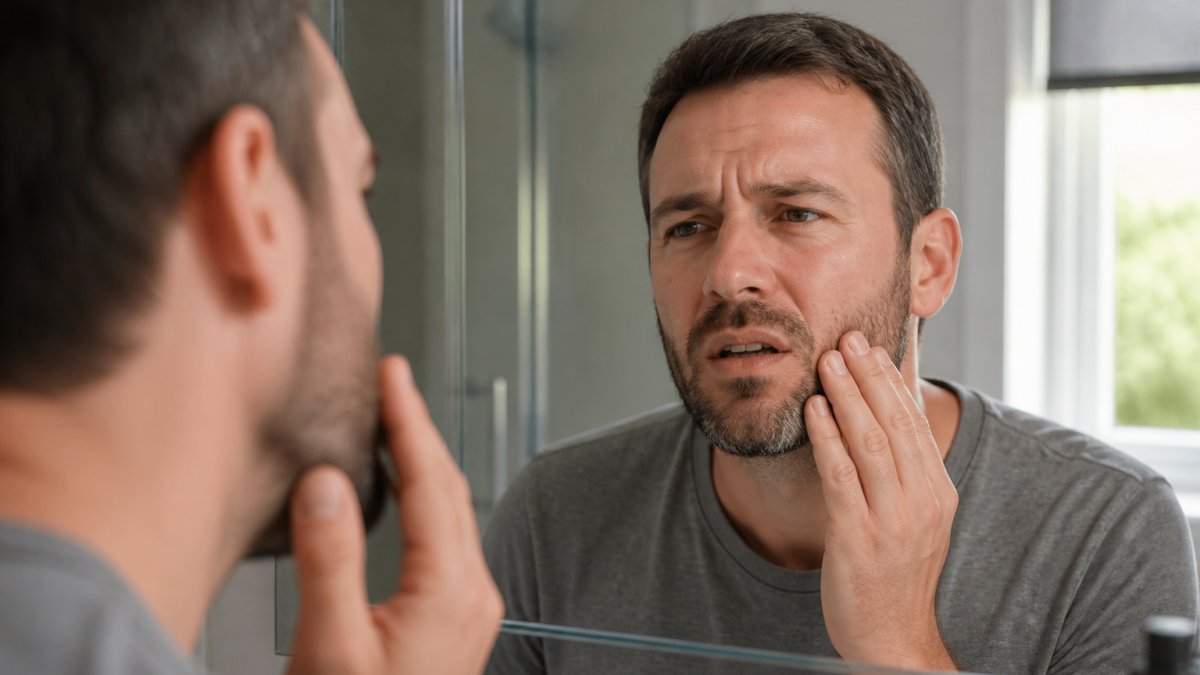
These are the signs of dental implant infection to watch for. No single one confirms a problem, but two or more together should prompt a check. Here is the full list at a glance, then each sign in detail.
| Sign | What You Notice | Urgency |
|---|---|---|
| Persistent pain | Throbbing that worsens after week one | See a dentist soon |
| Swelling and redness | Puffy, hot gum around the site | See a dentist soon |
| Bleeding or pus | Discharge, or bleeding when brushing | Urgent |
| Loose implant | Crown or post feels wobbly | Urgent |
| Bad taste or breath | Metallic taste that won’t clear | Book a check |
| Fever | Raised temperature with gum symptoms | Urgent |
| Gum recession | Gum pulling back from the implant | Book a check |
Persistent Pain or Throbbing
Some soreness after implant surgery is expected (Dental implants – After having a dental implant). It should ease steadily within the first week. Pain that gets worse, or throbs at night, is a red flag. Watch for pain that spreads toward your ear or jaw.
Swelling, Redness, or Tenderness
Swelling in the first few days is normal. Swelling that returns after settling, or gums that look angry and feel hot, suggests infection. A common mistake is assuming swelling is just part of healing when it comes back weeks later.
Bleeding or Pus Around the Implant
A little bleeding when you brush is not unusual early on. Pus is never normal. If you see a white or yellow discharge, or a bad taste paired with bleeding, treat it as urgent. Pus around an implant may point to an abscess, and our guide on what a dental abscess is and how it’s treated explains why that needs prompt attention.
Loose Implant or Wobbly Crown
A healthy implant should feel solid. If the crown rocks or the post shifts, the bone around it may be breaking down. A loose implant can be a serious sign and should be assessed promptly.
Bad Taste, Bad Breath, or Fever
A metallic taste or breath that lingers despite good cleaning can be a sign of a problem worth checking. Add a raised temperature and you have a combination that warrants a same-day call. Fever with gum symptoms is not something to sleep on. (Source: data on the prevalence of dental implant complications)
Dental Implant Infection After Surgery: What’s Normal and What’s Not
Dental implant infection after surgery usually appears within the first few weeks, though it can surface months or years later. Knowing the normal healing timeline helps you spot what’s off. Our article on the dental implant process step by step walks through each stage, so you can compare your own recovery against it.
A simple way to think about the normal healing timeline is:
- Days 1-3: Mild swelling, some tenderness, light bleeding. Normal.
- Week 1: Discomfort fading, site closing. Normal.
- Week 2 onward: Should feel steadily better. Worsening symptoms are not normal.
- Any time: Pus, fever, or a loose implant. Never normal.
If you’re unsure whether what you’re feeling fits the normal pattern, that’s exactly when a check is worth it.
How to Clean Dental Implants to Lower Your Risk
How to clean dental implants properly is the single best defence against infection. Plaque builds up around the implant just as it does around a natural tooth, and that plaque is what feeds infection. The cleaning routine is close to normal brushing, with a few additions.
- Brush twice daily with a soft-bristled brush, angling toward the gum line
- Use interdental brushes or floss made for implants around the site
- Clean gently around the crown, not just the tooth surface
- Rinse with an alcohol-free mouthwash if your dentist recommends one
- Attend regular check-ups so we can check the implant and surrounding gum
- Avoid smoking, which slows healing and raises infection risk
Watch out: scrubbing hard around an implant does more harm than good. Gentle and consistent beats aggressive.
Infected Dental Implant Treatment: What to Expect
Infected dental implant treatment depends on how far the infection has spread. Early cases are the easiest to treat. Treatment depends on the individual case and is decided after a clinical examination. Your dentist will explain which approach suits your situation. Our guide on how to fix missing teeth quickly covers replacement options if an implant is lost.
When to Seek Urgent Dental Care for a Possible Implant Infection
Seek urgent dental care if you have pus, a fever, a loose implant, or pain that keeps getting worse. These signs suggest the infection is active and spreading. Do not wait for a routine appointment. If you feel unwell, have facial swelling, or struggle to swallow, seek help the same day. For nervous patients, Orangefield Dental Care aims to offer a comfortable, pain-free experience, so urgent care doesn’t have to mean an unpleasant experience.
Book a Comfortable Implant Check at Orangefield Dental Care
Spotting the signs early is half the battle. The other half is getting seen quickly by someone who takes your comfort seriously. Orangefield Dental Care offers flexible opening times including evenings, emergency dental services, and a patient-focused approach for nervous patients. If you’ve noticed any of these signs, don’t sit on it. You can schedule an appointment at a time that works around your day.
Frequently Asked Questions
What are the first signs of a dental implant infection?
Early dental implant infection symptoms often include persistent pain or throbbing at the implant site, swelling or redness of the gums, and bleeding when you brush. Some people notice a bad taste or bad breath that does not improve with cleaning. These signs can appear gradually, so pay attention to any change from how the area felt in the weeks after surgery. If you notice any of these, contact your dentist for a check rather than waiting.
Can a dental implant infection happen years after surgery?
Yes. While many infections show up within weeks of surgery, problems can develop months or even years later, often linked to gum disease, poor oral hygiene, or a loose crown that traps bacteria. This is why regular check-ups matter. If you have had an implant for a while and notice new pain, swelling, or a loose feeling, get it looked at promptly. Early treatment for an infected dental implant is usually simpler than waiting.
How is an infected dental implant treated?
Infected dental implant treatment depends on how far the infection has spread. Treatment depends on the individual case, and your dentist will advise on the most suitable approach after an examination. Only a clinical examination and sometimes an X-ray can confirm the best approach, so book an appointment if you suspect a problem.
What should I do if I think my dental implant is infected?
Contact your dental practice as soon as possible and describe your symptoms. Do not try to treat it yourself with home remedies. In the meantime, keep the area clean with gentle brushing and avoid poking at it. If you have severe pain, facial swelling, or a fever, seek urgent dental care the same day. Practices like Orangefield Dental Care offer emergency appointments, so call and explain your situation to get seen quickly.
If you’re worried about your implant, don’t wait for the signs to get worse. At Orangefield Dental Care, we offer pain-free dentistry, evening appointments, and emergency care, so you can be seen quickly and comfortably. Get started with Orangefield Dental Care and put your mind at ease with a thorough implant check.
